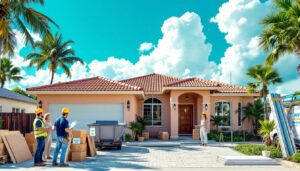


Tiny homes promise big savings, but the final price tag can surprise first-time builders. Whether someone’s planning a ROOFER-style tiny house on wheels or a permanent foundation build, understanding the real costs, from permits to plumbing, makes the difference between a dream project and a budget nightmare. In 2026, tiny home construction ranges widely depending on size, finish level, and whether the builder swings a hammer themselves or hires pros. This guide breaks down every expense category, compares DIY versus contractor costs, and uncovers the hidden fees that catch most people off guard.
Key Takeaways
- Tiny home construction costs typically range from $30,000 to $60,000, with per-square-foot expenses between $150 and $400 depending on size, materials, and labor choices.
- Foundation type and location create major cost variations—trailer-mounted units need $4,000 to $8,000 trailers while permanent foundation builds face $5,000 to $15,000 in permits and inspections in urban areas.
- DIY builders can save 40–60% on total costs but should budget 500–1,200 hours over 6–18 months and allocate $1,000–$3,000 for essential tools plus a 20% contingency buffer for learning curve mistakes.
- Professional builds offer turnkey solutions in 3–6 months with better resale value and code compliance, though specialty mechanical systems, plumbing, and electrical work add significant costs that don’t scale down with home size.
- Hidden expenses including zoning consultants ($500–$1,500), specialized insurance ($500–$1,500 annually), utility connections ($3,000–$10,000+), and off-grid systems can easily add $10,000–$25,000 to a tiny home budget.
- Hybrid approaches—hiring professionals for foundation, electrical, and plumbing while handling framing and finishes yourself—balance cost savings with code compliance and reduce risk of expensive structural mistakes.
Average Tiny Home Construction Costs: What to Expect
Most tiny homes fall between $30,000 and $60,000 for a complete build, though that range shifts dramatically based on square footage, materials, and labor choices. A basic 120-square-foot trailer-mounted unit with standard finishes might land around $30,000 when built DIY, while a 400-square-foot foundation model with custom cabinetry and high-end appliances can push past $100,000.
The per-square-foot cost typically runs $150 to $400, significantly higher than traditional home construction due to specialized compact fixtures, custom built-ins, and proportionally larger costs for mechanical systems in small spaces. A 200-square-foot tiny home at $250 per square foot totals $50,000, about the same as a luxury kitchen remodel in a standard house.
Location drives major price swings. Building in rural areas with relaxed zoning and lower permit fees keeps costs down, while urban or suburban builds face stricter code compliance, pricier land preparation, and higher labor rates. Foundation-based tiny homes classified as ADUs (accessory dwelling units) in municipalities like Portland or Austin require full building permits, engineered plans, and inspections that add $5,000 to $15,000 to the baseline.
Trailer-mounted tiny houses occupy a gray zone in many jurisdictions, they may bypass traditional building permits but still need RV certification or park model compliance, plus they require a heavy-duty trailer (typically 20 to 28 feet) costing $4,000 to $8,000 alone. Factor in whether the build qualifies as a movable structure or permanent dwelling, since that determines inspection requirements and allowable DIY work.
Breaking Down Tiny Home Building Expenses by Category
Foundation and Site Preparation Costs
Foundation choices create the first major budget fork. Trailer-based builds require a custom flatbed trailer rated for 10,000 to 14,000 pounds, plus frame reinforcement and axle upgrades, budget $4,500 to $9,000 for a quality trailer that won’t shake apart on highways.
Permanent foundation options include:
- Concrete slab: $3,000–$6,000 for a 200–400 sq ft pad with vapor barrier and reinforcement mesh
- Pier and beam: $2,500–$5,000 using sonotubes or helical piers, ideal for sloped lots
- Crawl space: $4,000–$8,000 with stem walls and ventilation, allows access to plumbing and utilities
Site prep adds another layer. Grading and leveling run $500 to $2,000 depending on slope and soil conditions. Utility hookups, water, sewer, and electrical, cost $3,000 to $10,000 if extending lines from existing service, or $15,000+ for new well and septic systems in off-grid locations. Many builders underestimate the need for a driveway or access pad ($1,500–$4,000) and drainage solutions to prevent foundation settling.
Permit and engineering fees vary wildly. Expect $500 to $2,500 for plan review and building permits in permit-required jurisdictions, plus $800 to $3,000 for stamped engineering drawings if local codes mandate them for anything with a permanent foundation.
Materials and Labor Expenses
Framing a tiny home uses 2×4 or 2×6 studs (actual dimensions 1.5×3.5″ or 1.5×5.5″) on 16″ or 24″ centers, with material costs around $2,000 to $4,000 for walls and roof structure in a 200-square-foot build. Lightweight steel framing costs 20–30% more but reduces weight on trailers and resists moisture better in humid climates.
Exterior sheathing and siding run $2,500 to $6,000 depending on choice:
- Metal roofing: $1,200–$2,500 (durable, lightweight, popular for tiny homes)
- Composite or vinyl siding: $1,500–$3,500
- Cedar or reclaimed wood: $3,000–$6,000 (beautiful but requires ongoing maintenance)
Windows and doors represent 10–15% of total materials. Quality dual-pane windows sized for tiny homes (typically 24″×36″ to 36″×48″) cost $150 to $400 each: budget $1,200 to $3,000 for 4–6 windows plus an exterior door. Oversized glass or custom shapes double those figures.
Insulation matters more in small spaces where heat loss is proportionally greater. Spray foam ($1.50–$3 per board foot) offers the best R-value per inch and air sealing but costs $2,000 to $4,000 for a tiny home. Mineral wool batts ($0.50–$1 per sq ft) provide a budget alternative at $600 to $1,200 with careful air sealing using caulk and tape.
Interior finishes include:
- Drywall or shiplap: $800–$2,000
- Flooring (luxury vinyl plank, bamboo, or reclaimed hardwood): $1,000–$3,000
- Kitchen cabinets and countertops: $2,000–$8,000 (IKEA hacks versus custom built-ins)
- Bathroom fixtures and composting toilet or mini septic: $1,500–$4,000
Mechanical systems don’t scale down much in price. An on-demand water heater costs $400 to $1,200, mini-split HVAC runs $1,000 to $2,500 installed, and basic electrical panel and wiring (30–50 amp service) with outlets and fixtures total $1,500 to $3,500. Plumbing materials, PEX lines, fixtures, and drain assembly, add another $800 to $2,000.
Labor costs for professional builders range from $50 to $150 per hour depending on region and trade. General contractors often charge $25,000 to $50,000 for labor on a turnkey tiny home, which can exceed material costs on higher-end builds. Specialized trades like electricians and plumbers bill $75 to $125 per hour and require licensing in most jurisdictions, DIYers can handle rough-ins in some areas, but inspections typically require licensed final connections.
DIY vs. Professional Build: Cost Comparison
A full DIY build can cut total costs by 40–60% if the builder has solid carpentry skills and plenty of time. A $50,000 professional tiny home might cost $20,000 to $30,000 in materials and tools when self-built, though that assumes the builder already owns basic tools (circular saw, drill, level, etc.) and can handle framing, electrical rough-in, and plumbing basics.
Tool investment for a first-time DIY builder adds $1,000 to $3,000 for essentials: miter saw ($250–$600), cordless drill/impact driver combo ($150–$300), table saw ($300–$800), pneumatic nailer ($100–$250), plus ladders, sawhorses, and hand tools. Renting specialty equipment like scaffolding or a spray foam rig saves upfront costs but adds $500 to $1,500 over a multi-month build.
Time commitment is brutal. Most DIY tiny home builds take 500 to 1,200 hours over 6 to 18 months, depending on complexity and how many weekends the builder can dedicate. That’s effectively a part-time job with a steep learning curve, mistakes in framing, insulation, or waterproofing can cost thousands to fix later.
Hybrid approaches offer middle ground. Hiring pros for foundation work, electrical final connections, and plumbing rough-in ($8,000 to $15,000) while handling framing, insulation, and finishes DIY balances cost savings with code compliance and safety. Some builders purchase tiny home shell kits ($15,000 to $30,000) that include framed walls, roof trusses, and exterior sheathing, then complete interior build-out themselves, a time-saver that still allows customization.
Professional turnkey builders deliver finished homes in 3 to 6 months but charge premium rates. Companies specializing in tiny homes offer packages from basic models at $50,000 to luxury builds exceeding $120,000, often including delivery and setup. Custom builders quote per project, typically landing between $200 and $400 per square foot depending on finishes and site complexity.
One often-overlooked factor: resale value. Professional builds with proper permits, code compliance, and warranty documentation hold value better than DIY projects, especially if structural or electrical work wasn’t inspected. In markets where tiny homes qualify as ADUs, permitted builds can add $40,000 to $80,000 in property value, while unpermitted structures may face removal orders or zero appraisal credit.
Hidden Costs and Budget Considerations for Tiny Homes
Even meticulous budgets miss these common expenses:
Zoning and compliance: Many municipalities restrict tiny homes or classify them differently than RVs or traditional dwellings. Hiring a zoning consultant ($500–$1,500) before purchasing land or starting construction prevents expensive pivots. Some areas require minimum square footage (often 400–600 sq ft), while others ban permanent tiny home placement outside designated communities.
Insurance for tiny homes costs $500 to $1,500 annually depending on value, location, and whether it’s on wheels or a foundation. Standard homeowners policies often exclude tiny homes, requiring specialized coverage. Trailer-based units need RV insurance if moved regularly, foundation models need dwelling coverage, and builders need liability insurance during construction ($400–$800).
Transportation and delivery: Moving a completed tiny home on a trailer requires a heavy-duty truck (3/4-ton or larger) and experience towing 10,000+ pound loads. Professional transport runs $2 to $5 per mile with $500 minimum, relocating a tiny home 200 miles costs $700 to $1,200. Oversize permits add another $100 to $500 depending on route and state regulations.
Utility connections and off-grid systems: Grid-tied setups need meter installation and service upgrades ($1,000–$3,000). Off-grid builds require solar panels ($4,000–$12,000 for 2–4 kW systems), battery storage ($2,000–$6,000), propane tanks and lines ($500–$1,500), and water catchment or hauling systems ($500–$3,000). Composting toilets ($900–$2,500) save on septic but need regular maintenance.
Furniture and appliances: Built-in furniture maximizes space but costs $3,000 to $8,000 for custom pieces. Compact appliances, apartment-sized fridge ($400–$800), two-burner cooktop ($150–$400), convection microwave ($200–$500), add up quickly. Many builders planning tiny home budgets allocate $5,000 to $10,000 for furnishings and appliances.
Contingency buffer: Construction always hits surprises, rot discovered during framing, incorrect material orders, or weather delays. Smart builders budget an extra 10–20% ($3,000–$10,000 on a $50,000 project) for overruns. First-time DIY builders should lean toward 20% given the learning curve.
Ongoing maintenance: Tiny homes on trailers need tire replacement every 3–5 years ($600–$1,200), bearing repacks, and frame inspections. All tiny homes need roof and siding maintenance, HVAC filter changes, and propane system checks. Annual costs typically run $300 to $800, lower than traditional homes but not negligible.
Builders exploring contractor resources or hiring professionals for specialized work should request itemized bids that separate materials and labor, making it easier to compare costs and identify opportunities to save through DIY contributions.
Conclusion
Building a tiny home in 2026 costs anywhere from $30,000 for a bare-bones DIY trailer build to over $100,000 for a permitted foundation model with high-end finishes. The real number depends on foundation type, labor choices, finish level, and how many hidden costs get planned for upfront. DIY builders with time and skills save significantly, but professional builds offer speed, code compliance, and better resale value. Either way, budgeting 15–20% above initial estimates and securing proper permits prevents the kind of expensive surprises that turn a tiny home dream into a financial headache.