
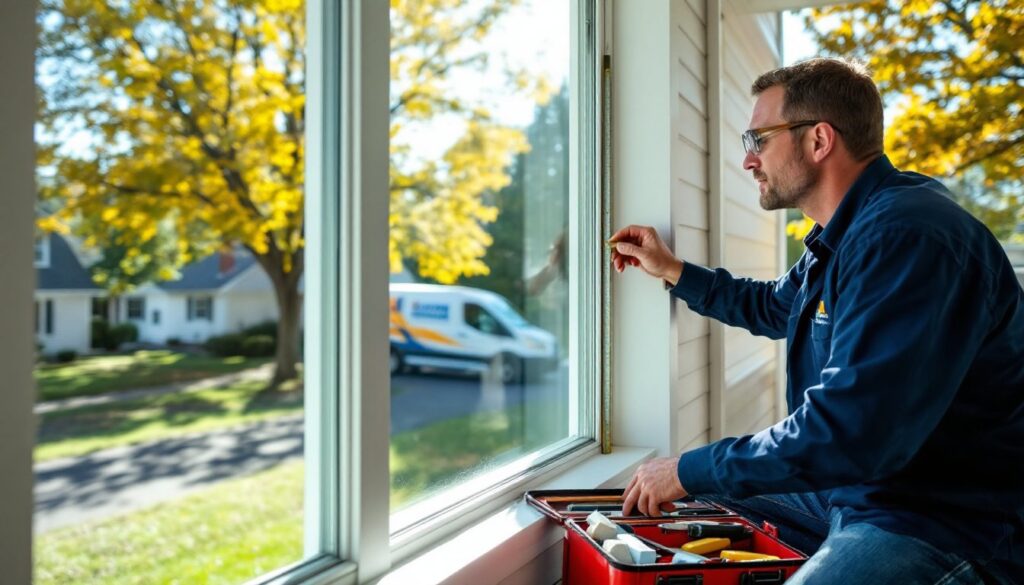

Finding a cracked pane or condensation between double-pane glass doesn’t always mean replacing the entire window. Often, swapping out just the glass is faster, cheaper, and gets the job done. But locating a reliable local contractor who’ll show up, quote fairly, and install it right? That’s the trick. This guide walks through when glass-only replacement makes sense, how to vet local services, what to expect cost-wise, and the questions that separate pros from hacks.
Table of Contents
ToggleKey Takeaways
- Glass-only replacement is a faster and more cost-effective solution when window frames and hardware are in good condition, avoiding the expense of full window replacement.
- Finding reliable home window glass replacement near you requires checking verified reviews on Google Business and directories like Angi, along with confirming the contractor has proper licensing, insurance, and a physical shop location.
- Get at least three written estimates that detail glass type (clear, Low-E, tempered), dimensions, labor costs, and warranties, as vague pricing or quotes 40% below average often indicate inferior materials or unlicensed work.
- Double-pane insulated glass units (IGUs) with failed seals typically cost $150–$450 per window, while single-pane replacements run $75–$150, with Low-E and specialty coatings commanding a premium for energy efficiency.
- Ask potential contractors about licensing, workers’ compensation insurance, permit requirements, glass brands, installation timelines, and labor warranties before hiring to ensure a professional, trouble-free installation.
When to Replace Your Window Glass Instead of the Entire Window
Replacing just the glass makes sense when the window frame, sash, and hardware are in good shape. If a baseball cracks a single pane, the muntins aren’t rotted, and the sash operates smoothly, there’s no reason to rip out the whole unit.
Double-pane insulated glass units (IGUs) that show condensation or fogging between panes have a failed seal. The spacer and desiccant can’t be repaired, so the entire IGU gets swapped, but the frame stays. This is common in vinyl, fiberglass, and aluminum windows less than 20 years old.
Single-pane windows with intact wood or metal frames are prime candidates. A glazier can pull the old glass, clean the rabbet, bed new glass in glazing putty, and reinstall glazier’s points in under an hour per sash.
Skip glass-only replacement if the sash is warped, the frame is soft with rot, or the balance system (especially in double-hung windows) is shot. At that point, labor costs approach full window replacement, and you’re patching a failing assembly. Also, if your windows are original to a pre-1978 home, check for lead paint on the sash and frame. Disturbance during glass removal can create hazardous dust: pros should follow EPA RRP rules if lead is present.
How to Find Reliable Window Glass Replacement Services in Your Area
Online Reviews and Local Business Directories
Start with platforms that aggregate verified reviews. Google Business profiles show recent jobs, response times, and photos of finished work. Look for glaziers or glass shops with 4+ stars across at least 20 reviews: single five-star reviews from a brand-new account are red flags.
Check specialized directories like Angi’s local glass professionals, which screen for licensing and insurance. Filter by “window glass replacement” specifically, some mirror and shower-door shops don’t stock residential window glass or IGUs.
Local hardware stores and lumberyards often keep a short list of glaziers they trust for storefront and residential work. Ask the pro desk: they hear which contractors show up on time and which ghost after a deposit.
Verify the business has a physical shop address, not just a P.O. box. Mobile-only services can be legitimate, but a brick-and-mortar glass shop typically stocks more IGU sizes and has fabrication equipment for custom cuts.
Getting Multiple Quotes and Comparing Estimates
Request at least three written estimates. A solid quote lists glass type (annealed, tempered, laminated, Low-E coating), thickness (1/8″, 3/16″, or IGU airspace), dimensions, labor, disposal, and any trip charges. Vague “per window” pricing without specifying glass type is a warning sign.
Ask how they measure. Reputable pros measure the daylight opening (the visible glass area) and the sash rabbet depth on-site. Wrong measurements mean a second trip and re-ordering glass, which delays the job and sometimes triggers re-stocking fees.
Compare warranties separately for glass and labor. Manufacturers typically cover IGU seal failure for 10–20 years: installer labor warranties run 1–2 years. If a quote doesn’t mention warranty at all, ask before signing.
Beware of estimates that undercut others by 40% or more. Quality Low-E IGUs have a floor cost: rock-bottom pricing usually means clear glass substituted for Low-E, thinner glass, or unlicensed labor. Cost-comparison tools on sites like HomeAdvisor give regional averages to benchmark quotes.
Average Cost of Window Glass Replacement by Type
Prices vary by region, glass type, and window size, but here are 2026 ranges for common residential jobs (labor and materials, per window):
-
Single-pane clear glass (annealed, up to 24″ × 36″): $75–$150. Small panes in older wood sash run cheaper: larger picture-window glass pushes toward the high end.
-
Double-pane IGU, clear (standard airspace, argon fill, up to 36″ × 48″): $150–$350. Builder-grade vinyl windows fall here. Larger sizes or specialty shapes (arched, octagon) add 20–50%.
-
Double-pane Low-E IGU (soft-coat Low-E, argon, up to 36″ × 48″): $200–$450. Low-E coatings reflect infrared, cutting heat gain in summer and heat loss in winter. Essential in climates with hot summers or cold winters.
-
Tempered or laminated glass: Add $50–$100 per pane. Tempered glass is required by the International Residential Code (IRC) for windows within 18″ of a door, below 18″ from the floor, or in bathrooms. Laminated glass bonds two panes with a plastic interlayer for security and sound dampening.
-
Triple-pane or specialty coatings (triple Low-E, gas fills like krypton): $400–$700+. Common in passive-house retrofits or northern climates. Few stock shops carry triple-pane IGUs: expect a 2–4 week lead time.
Mobile service or after-hours calls typically add a $50–$100 trip charge. Disposal of old glass is sometimes included, sometimes billed separately at $10–$25 per window. Planning resources on ImproveNet can help estimate total project costs when replacing multiple windows.
Permits are rarely required for like-for-like glass replacement, but always check with your local building department if you’re changing glass type (e.g., upgrading single-pane to IGU) or enlarging an opening.
Questions to Ask Before Hiring a Glass Replacement Professional
Are you licensed and insured? Most states require a glazier or general contractor license for window work. Ask for the license number and verify it’s current with your state board. General liability insurance (minimum $1 million) protects you if they crack your siding or drop a pane on your deck.
Do you pull permits if needed? For like-for-like glass replacement, permits usually aren’t necessary. But if you’re upgrading a non-code-compliant window (installing tempered where code requires it, or adding egress glass in a bedroom), the pro should know when a permit applies.
What glass brands or suppliers do you use? Cardinal, Vitro (formerly PPG), and Guardian are reputable IGU manufacturers. If the installer fabricates IGUs in-house, ask about spacer type (warm-edge spacers like super spacer reduce condensation at the glass edge) and gas-fill purity (argon should be 90%+ at install).
How long until you can measure and install? Lead times vary. Stock sizes might install within a few days: custom IGUs often take 1–3 weeks. If you have a broken pane and need a temporary board-up, confirm they’ll do it at no extra charge or build it into the quote.
What’s your warranty on labor, and what does it cover? One year is standard. The warranty should cover leaks from improper glazing, failed setting blocks, or cracked glass due to installation error. It won’t cover breakage from impacts or frame movement.
Will you remove and dispose of the old glass? Some pros leave old IGUs or shards for the homeowner to haul. Clarify up front, especially if you’re replacing multiple windows.
Do you carry workers’ comp insurance? If a worker is injured on your property and the company has no workers’ comp, you could be liable. Ask for a certificate of insurance.
Conclusion
Glass-only replacement saves money and hassle when frames are sound. Vetting local pros with verified reviews, comparing detailed quotes, and asking the right questions up front keeps the job on track. Whether it’s a single cracked pane or a houseful of fogged IGUs, a qualified glazier gets you back to clear views and lower energy bills without the cost of full window replacement.