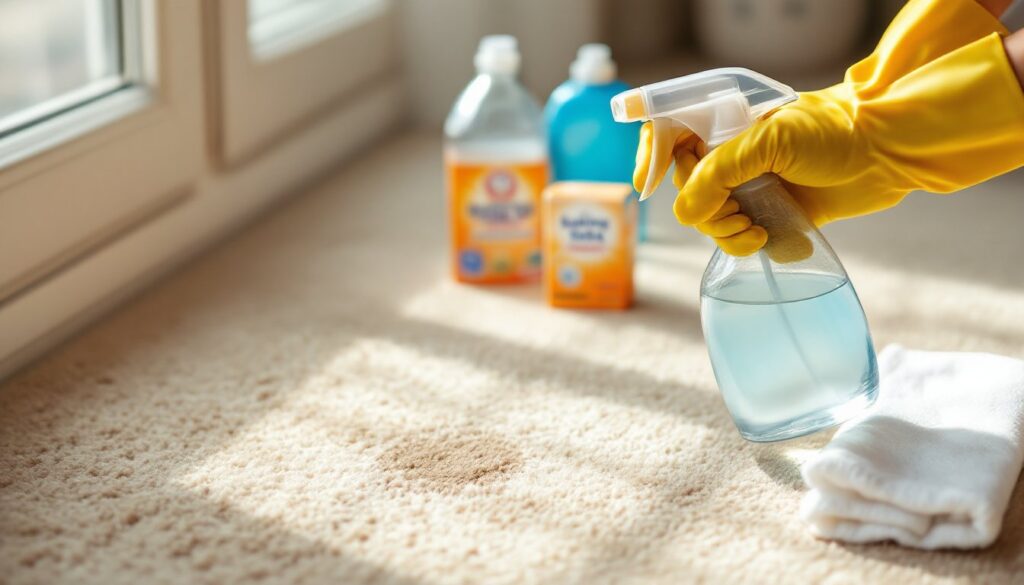

Professional carpet cleaning can run $150–$400 for a whole house, depending on square footage and regional pricing. But most carpet stains and routine deep-cleaning jobs don’t require specialized equipment or harsh commercial chemicals. With a few pantry staples, vinegar, dish soap, baking soda, and hydrogen peroxide, homeowners can mix effective carpet cleaners that tackle everything from pet accidents to ground-in dirt. These solutions work in both spray bottles for spot treatment and carpet-cleaning machines for whole-room jobs, delivering results that rival store-bought formulas at a fraction of the cost.
Table of Contents
ToggleKey Takeaways
- Homemade carpet cleaner recipes using vinegar, baking soda, and dish soap cost under $2 per gallon—80–90% cheaper than commercial formulas while delivering comparable cleaning results.
- Professional carpet cleaning costs $150–$400 per house, but most routine stains and deep cleaning can be handled effectively with pantry staples and no specialized equipment.
- A simple all-purpose homemade carpet cleaner works for everyday dirt and general grime in both spray bottles and carpet machines, treating 40–50 square feet per quart.
- Pet urine odor requires hydrogen peroxide to oxidize uric acid crystals at the molecular level, making it essential for eliminating smells that surface-only treatment cannot remove.
- Proper application techniques—spraying directly on stains, blotting from outside in, and ensuring complete drying within 24 hours—maximize cleaning effectiveness and prevent mold growth.
Why Choose Homemade Carpet Cleaning Solutions?
Commercial carpet cleaners typically contain surfactants, enzymes, and optical brighteners, ingredients that lift soil and mask residue. Homemade versions replicate that cleaning action with simpler compounds, minus synthetic fragrances and dyes.
Cost savings add up fast. A gallon of name-brand carpet shampoo costs $15–$30. The same volume of DIY cleaner runs under $2 when using bulk vinegar, dish soap, and baking soda. For households that rent a carpet machine seasonally or own a portable extractor, mixing cleaner in batches cuts recurring supply costs by 80–90%.
Control over ingredients matters for sensitive households. Many pre-formulated cleaners include optical brighteners that leave UV-reactive residue, or synthetic fragrances that trigger allergies. DIY recipes let users omit or substitute ingredients, swapping scented dish soap for unscented versions, or adjusting vinegar concentration for wool or delicate fibers.
Environmental impact shrinks. Store-bought cleaners ship heavy plastic jugs filled mostly with water. Homemade solutions reuse spray bottles and reduce packaging waste. Vinegar and baking soda break down safely in wastewater systems, unlike phosphates or nonylphenol ethoxylates found in some commercial formulas.
That said, homemade cleaners won’t replace professional truck-mounted extraction for heavily soiled carpets or flood damage. They excel at routine maintenance, spot treatment, and light-to-moderate deep cleaning, the jobs most homeowners face quarterly or after spills.
Essential Ingredients for DIY Carpet Cleaners
Stock these items to cover nearly every carpet-cleaning scenario:
- White distilled vinegar (5% acidity): Acts as a mild acid that dissolves alkaline residues, neutralizes odors, and softens mineral deposits. Avoid apple cider or flavored vinegars, which can stain light carpet.
- Dish soap (liquid, unscented or mild scent): Surfactant breaks surface tension, allowing water to penetrate fibers and lift grease or protein-based stains. Use 1–2 teaspoons per quart, excess soap leaves sticky residue that attracts dirt.
- Baking soda (sodium bicarbonate): Mild abrasive and odor neutralizer. Sprinkle dry for deodorizing: mix into solution for scrubbing power.
- Hydrogen peroxide (3% solution): Oxygen-based bleach alternative that breaks down organic stains, wine, blood, pet urine. Test on hidden carpet first: it can lighten dyed fibers.
- Rubbing alcohol (70% isopropyl): Dries fast, dissolves ink and oil-based stains, and inhibits mold in damp carpet. Flammable, use in ventilated areas, away from open flame.
- Essential oils (optional): Lavender or tea tree oil add fragrance and mild antimicrobial properties. Use 5–10 drops per quart to avoid oily residue.
Water temperature matters. Warm water (100–120°F) activates dish soap and speeds soil suspension. Avoid hot tap water above 140°F, it can set protein stains like egg or blood, and damage latex carpet backing or loosen seams in older installations.
Equipment compatibility: These recipes work in spray bottles for spot cleaning, pump sprayers for larger areas, or carpet-cleaning machines (both rented units and portable models like Bissell or Hoover extractors). Always check the machine manual, some manufacturers void warranties if non-branded solutions are used, though homemade cleaners rarely cause mechanical issues when properly diluted.
Best Homemade Carpet Cleaner Recipes for Every Stain
All-Purpose Carpet Cleaning Solution
This formula handles everyday dirt, tracked-in mud, and general grime. It works in both spray bottles and carpet machines.
Ingredients:
- 1 quart warm water
- 1 tablespoon white vinegar
- 1 tablespoon dish soap
- 1 tablespoon baking soda (add slowly to avoid foaming)
Mixing: Combine water and vinegar first. Stir in dish soap gently to minimize suds. Add baking soda last, one teaspoon at a time, stirring between additions. The solution will fizz briefly, wait 30 seconds before capping the bottle.
Use: Spray lightly on stained areas. Let sit 3–5 minutes. Blot with a clean microfiber cloth or scrub gently with a soft-bristle brush. For machine use, pour into the solution tank (dilute 1:1 with water if foam builds up in the recovery tank).
Coverage: One quart treats roughly 40–50 square feet of carpet in a machine, or 15–20 spot stains.
Pet Stain and Odor Remover
Pet urine requires enzymatic breakdown to eliminate odor at the molecular level. This recipe uses hydrogen peroxide as an oxidizer to break down uric acid crystals.
Ingredients:
- 1 cup hydrogen peroxide (3%)
- 1 teaspoon dish soap
- 2 tablespoons baking soda
Mixing: Combine in a spray bottle. Shake gently, baking soda won’t fully dissolve. Use immediately: peroxide loses potency after 24 hours in mixed solution.
Application:
- Blot up fresh urine with paper towels. Press firmly to wick moisture from carpet pad.
- Spray solution liberally, saturate the affected area and the pad beneath. Urine soaks deep: surface treatment won’t eliminate odor.
- Let sit 10–15 minutes. Blot again with dry towels.
- Sprinkle dry baking soda over the damp spot. Let dry completely (4–8 hours), then vacuum.
Safety note: Test on an inconspicuous area first. Peroxide can bleach dark carpet or oriental rugs. For valuable or antique textiles, consult a professional cleaner.
Why it works: Hydrogen peroxide oxidizes the odor-causing compounds in urine. Dish soap lifts residue, and baking soda absorbs lingering moisture and smells. This approach mirrors the chemistry of enzyme cleaners sold at pet stores, though those often include live bacteria cultures for ongoing breakdown, helpful for old, set-in stains.
Deep-Cleaning Carpet Shampoo
For whole-room cleaning or high-traffic areas, this formula generates enough cleaning power for machine extraction without leaving sticky residue.
Ingredients:
- 1 gallon hot water (120°F)
- ¼ cup white vinegar
- 2 tablespoons dish soap
- 2 tablespoons rubbing alcohol
- 10 drops essential oil (optional)
Mixing: Combine all ingredients in a bucket. Stir gently to avoid excessive foam. Pour into carpet machine solution tank.
Machine settings: Use warm-water setting if available. Make two passes per section, one to apply solution, one to extract. Overlap passes by 50% to avoid streaking.
Drying time: Carpets stay damp 6–12 hours depending on humidity, airflow, and carpet thickness. Run ceiling fans, open windows, and keep foot traffic off until dry. Damp carpet attracts soil and can develop mildew if not dried within 24 hours.
Vinegar smell: Dissipates as carpet dries. If odor lingers, the carpet pad may be oversaturated, run the machine on rinse-only mode (water, no cleaner) to flush residue.
Comparison to commercial shampoos: Store-bought formulas often add optical brighteners that make carpet look cleaner under UV light but don’t remove soil. This DIY version relies on mechanical extraction and surfactant action, true cleaning rather than masking. For ideas on maintaining a clean home environment, Martha Stewart’s guides offer practical tips on seasonal deep-cleaning routines that pair well with DIY methods.
How to Apply Homemade Carpet Cleaner Effectively
Pre-treatment prep:
- Vacuum thoroughly. Remove loose dirt, pet hair, and debris. A clogged vacuum or dirty carpet traps soil beneath the cleaner, reducing effectiveness.
- Test in a hidden spot. Apply cleaner to a closet corner or under furniture. Wait 10 minutes, blot dry, and check for color bleeding or texture change.
- Move furniture. Shift lightweight pieces to access edges and high-traffic lanes. Leave heavy furniture in place, clean around it and revisit those areas later if needed.
Application techniques:
- Spot cleaning: Spray solution directly on stain. Wait 3–5 minutes for chemistry to work. Blot from the outside in to avoid spreading. Never rub or scrub in circles, it frays carpet fibers and pushes stains deeper.
- Brush scrubbing: For ground-in dirt, use a soft-bristle brush (an old toothbrush works for small spots, a stiff deck brush for larger areas). Scrub in short, straight strokes along the carpet grain.
- Machine extraction: Fill tank with DIY cleaner. Make slow, overlapping passes. Empty recovery tank frequently, dirty water left sitting can overflow and re-soil carpet.
Rinse or not? Most homemade cleaners don’t require rinsing if properly diluted. Excess soap or vinegar, but, attracts dirt as it dries. If carpet feels sticky after drying, run the machine again with plain warm water.
Drying tips:
- Point fans across damp areas. Cross-ventilation speeds drying by 40–60%.
- Avoid walking on damp carpet in socks or bare feet, oils transfer and attract soil.
- For basements or humid climates, run a dehumidifier to prevent mildew. Carpet should dry within 24 hours: longer drying times risk mold growth in the pad.
Safety gear: Wear rubber gloves when mixing cleaners with hydrogen peroxide or rubbing alcohol. Use knee pads for scrubbing, carpet cleaning is hard on joints. Open windows for ventilation, especially when using alcohol-based solutions.
When to call a pro: If stains reappear after cleaning (wicking from the pad), if carpet smells musty after drying, or if water damage has soaked subflooring, hire a certified cleaner with truck-mounted extraction. DIY methods can’t generate the 200°F steam and high-suction power needed for deep sanitation after floods or sewage backups. Homeowners looking to streamline other household tasks can explore efficient strategies through resources like Real Simple’s cleaning hacks, which complement DIY carpet care with time-saving approaches.
Storage: Keep mixed solutions in labeled spray bottles away from children and pets. Vinegar-based cleaners last 2–3 months: peroxide formulas lose strength after a week. Date your bottles and discard expired batches.