
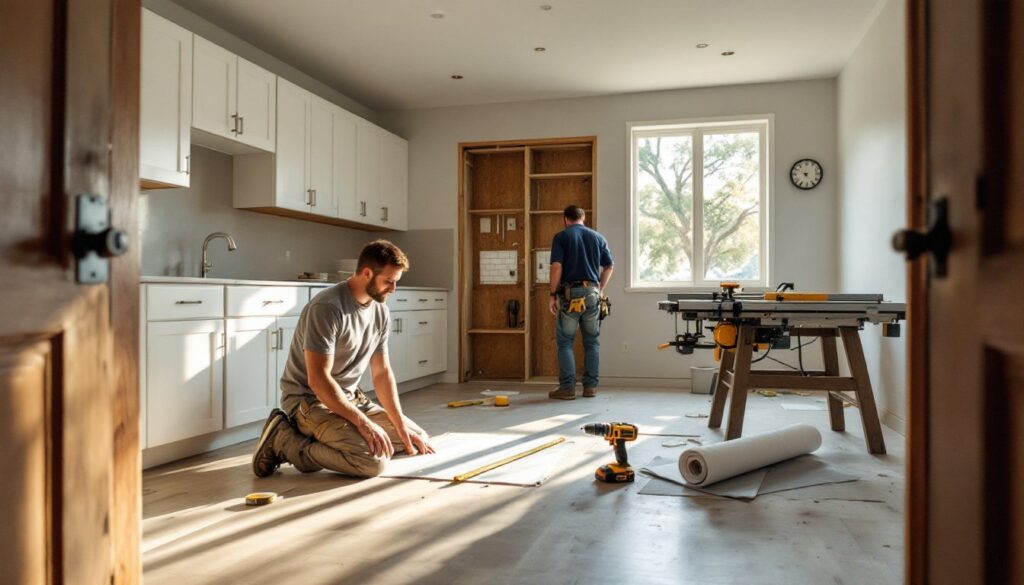

Fort Worth’s real estate market continues to favor renovation over relocation. With home values climbing and inventory staying tight, homeowners are pouring equity into the properties they already own. Whether it’s a dated kitchen dragging down a home’s appeal or a cramped bathroom that needs a functional overhaul, remodeling offers a way to customize living space without the hassle of moving. This guide covers what Fort Worth homeowners need to know before breaking out the sledgehammer, from popular project types and realistic budgeting to local permitting rules and the DIY-versus-contractor decision.
Table of Contents
ToggleKey Takeaways
- Fort Worth home remodeling is a smart financial choice, with kitchen and bathroom renovations typically recovering 60–80% of their cost at resale while improving energy efficiency and daily functionality.
- Kitchen renovations are the most popular Fort Worth home remodeling projects, ranging from $15,000–$50,000 depending on finish level, with electrical work and plumbing relocations adding significant complexity and cost.
- Permits are mandatory for structural, electrical, plumbing, and mechanical work in Fort Worth, and homeowners can pull their own permits to save contractor markups while remaining responsible for code compliance and inspections.
- Bathroom remodels in Fort Worth cost $8,000–$25,000 and should include proper ventilation per IRC Section M1507, waterproofing with cement board or membranes, and high-quality materials like porcelain tile or sealed grout to prevent mold and water damage.
- DIY-friendly Fort Worth home remodeling projects include painting, trim installation, and luxury vinyl flooring, while structural, electrical, and plumbing work require licensed professionals for safety, code compliance, and to avoid costly mistakes.
- Labor typically represents 40–50% of Fort Worth remodeling costs, with skilled trades like tile setters ($5–$10/sq. ft.), electricians ($75–$125/hour), and plumbers charging comparable rates; contractor vetting, detailed contracts, and phased payment schedules protect homeowners from financial risk.
Why Fort Worth Homeowners Are Investing in Remodeling Projects
Fort Worth’s housing stock skews older in many established neighborhoods, think mid-century ranches and 1980s two-stories. These homes often need updates to meet modern living standards, from outdated electrical panels that can’t handle today’s load demands to single-pane windows bleeding energy.
Homeowners also recognize that strategic remodeling can boost resale value. A well-executed kitchen or bathroom renovation typically recovers 60–80% of its cost at sale, sometimes more in desirable school districts like those served by Carroll or Keller ISD. Even if selling isn’t on the horizon, improved functionality and energy efficiency lower monthly utility bills and make daily life more comfortable.
Another driver: interest rates. When mortgage rates sit higher than a homeowner’s current loan, moving means losing a favorable rate. Remodeling lets them stay put, keep the low rate, and still get the space they need. Add in Fort Worth’s relatively affordable cost of living compared to metros like Austin or Dallas proper, and the case for reinvesting in an existing home strengthens.
Most Popular Remodeling Projects in Fort Worth
Kitchen Renovations
Kitchens dominate remodeling spend in Fort Worth. The typical scope includes replacing laminate countertops with quartz or granite, swapping builder-grade cabinets for semi-custom hardwood or plywood-box units, and upgrading to stainless appliances. Flooring often shifts from vinyl or linoleum to luxury vinyl plank (LVP) or porcelain tile that mimics wood or stone.
Electrical work matters here. Older homes may have a single 15-amp circuit serving the kitchen, insufficient for modern appliances. Expect to run new 12/2 Romex for a dedicated 20-amp small-appliance circuit, required by NEC Article 210.52(B), and possibly a 50-amp circuit for an electric range. This work requires a permit and often a licensed electrician unless the homeowner holds the appropriate credentials.
Cabinet layout changes that involve moving plumbing or gas lines add cost and complexity. Relocating a sink means rerouting drain and supply lines, which may require opening walls or the floor. Gas ranges need black iron or CSST flexible gas line installed by a licensed plumber, plus a shutoff valve within six feet of the appliance.
Paint coverage runs about 350–400 square feet per gallon for quality interior latex. Most kitchens need two coats over primed drywall or previously painted surfaces. Don’t skip the primer if transitioning from dark to light colors or covering stains.
Bathroom Updates
Bathroom remodels in Fort Worth often focus on replacing worn tub surrounds, upgrading vanities, and improving ventilation. Fiberglass tub-shower combos give way to tile surrounds over cement board or prefab acrylic systems that resist mold better than old fiberglass.
Vanity upgrades mean swapping particle-board builder units for solid wood or plywood-construction vanities with stone or engineered quartz tops. Undermount sinks offer a cleaner look than drop-in models and make countertop cleanup easier.
Ventilation codes (IRC Section M1507) require an exhaust fan vented to the exterior in bathrooms without operable windows. Many older Fort Worth homes lack proper venting, leading to mold and peeling paint. Installing a 50–80 CFM bath fan ducted through the attic with rigid or flex duct solves this. Avoid running ducts into the attic space, moisture needs to exit the building envelope entirely.
Flooring choices lean toward 12×24-inch porcelain tile or luxury vinyl plank rated for wet areas. Grout joints should use epoxy grout or sanded grout sealed properly to prevent water infiltration and staining. Tilesetters often use 1/4-inch cement board or a membrane like Schluter Kerdi over the subfloor for waterproofing.
Permits apply to bathroom remodels that involve moving fixtures, altering plumbing, or electrical work beyond simple device replacement. A homeowner can pull their own permit in Fort Worth, but inspections are mandatory for rough-in and final.
Budgeting for Your Fort Worth Home Remodel
Realistic budgeting starts with separating materials from labor, then adding 10–15% for contingencies. Material costs fluctuate, lumber, drywall, and copper pipe have all seen volatility in recent years. Locking in pricing with suppliers before breaking ground helps, but some flexibility is necessary.
Kitchen remodels in Fort Worth typically run $15,000–$50,000 depending on size and finish level. A basic refresh with painted cabinets, laminate counters, and vinyl flooring sits at the lower end. Mid-range projects with semi-custom cabinets, quartz counters, and tile backsplashes land in the $25,000–$35,000 range. High-end renovations involving custom cabinetry, slab countertops, and appliance upgrades can exceed $60,000.
Bathroom remodels range from $8,000–$25,000. A simple vanity and fixture swap with paint and new flooring might cost $8,000–$12,000. Full gut jobs with relocated plumbing, tile showers, and upgraded lighting push toward the upper end.
Labor accounts for roughly 40–50% of total project cost in most remodels. Tile setters in Fort Worth charge $5–$10 per square foot for installation, depending on tile size and pattern complexity. Electricians bill $75–$125 per hour, and plumbers run similar rates. Carpenters and general handymen charge $50–$80 per hour.
Many homeowners turn to resources like cost estimation tools to gauge baseline pricing for their specific project scope and zip code. These calculators factor in regional labor rates and material availability but should serve as starting points, not gospel.
Financing options include home equity lines of credit (HELOCs), cash-out refinances, or personal loans. HELOCs offer flexibility but come with variable rates. Cash-out refis lock in a fixed rate but reset the mortgage term. Personal loans carry higher rates but don’t put the home at risk as collateral.
Permits and Regulations in Fort Worth
Fort Worth operates under the International Residential Code (IRC) with local amendments. Permits are required for structural changes, electrical work beyond replacing devices, plumbing alterations, HVAC installation, and any work that affects the building envelope.
Electrical permits are mandatory when adding circuits, upgrading panels, or installing new fixtures that require new wiring. Replacing a light fixture on an existing box doesn’t need a permit, but running 12/2 NM-B cable for a new circuit does. Fort Worth inspectors check for proper wire sizing, AFCI/GFCI protection per NEC requirements, and correct box fill calculations.
Plumbing permits apply when moving fixtures, altering drain lines, or running new water supply. Re-piping a house from galvanized to PEX or copper requires a permit and rough-in inspection before covering walls. Inspectors verify proper slope on drains (1/4 inch per foot minimum), vent sizing, and adherence to fixture unit calculations.
Mechanical permits cover HVAC changes, including ductwork modifications and equipment replacement. A simple like-for-like AC condenser swap might not trigger a permit, but adding a zone system or relocating ductwork does.
Structural work, removing walls, cutting joists or rafters, adding beams, requires an engineer’s stamp in many cases. Load-bearing walls can’t be removed without a properly sized beam (often an LVL or steel I-beam) and adequate support posts or columns. An engineer calculates the load and specifies the beam size. Inspectors won’t sign off without stamped plans for this type of work.
Permit fees in Fort Worth vary by project scope but typically start around $50–$100 for minor work and scale up for larger renovations. Inspections are scheduled online or by phone, and most projects require at least a rough-in and final inspection. Failing to permit work can complicate future sales, void insurance claims, and result in fines or mandatory tear-out.
Homeowners can pull their own permits, which saves the contractor markup but also makes the homeowner responsible for code compliance and inspection scheduling. Some prefer to let the contractor handle permitting to streamline the process.
Choosing Between DIY and Professional Contractors
The DIY-versus-pro decision hinges on skill level, time availability, tool access, and the scope of work. Cosmetic projects like painting, installing trim, or laying luxury vinyl plank flooring are approachable for most homeowners with basic tools and patience. Structural, electrical, and plumbing work often requires licensed professionals, both for safety and code compliance.
Safety gear is non-negotiable on any project. Eye protection, hearing protection when running saws or drills, dust masks (N95 or better for drywall dust or insulation), and work gloves should be standard. Cutting tile or fiber cement siding demands a respirator rated for silica dust, serious lung damage isn’t worth skipping a $30 mask.
Tile work can be DIY-friendly with the right tools. A wet tile saw (available for rent at $50–$75/day) makes cleaner cuts than a handheld angle grinder, though a grinder with a diamond blade works for smaller jobs. Leveling systems help beginners avoid lippage on large-format tiles. Homeowners who’ve never tiled before should start with a small area like a backsplash before tackling a full bathroom floor.
Electrical work requires knowledge of wire sizing, circuit loading, and grounding. A homeowner can legally do their own electrical in Fort Worth if they pull a permit and own the property, but mistakes can cause fires or electrocution. If terms like AFCI, GFCI, and wire gauge aren’t second nature, hiring a licensed electrician is the safer bet.
Plumbing has similar stakes. PEX systems with push-fit or crimp connections are more DIY-friendly than sweating copper joints, but knowing drain vent requirements and proper slope is critical. A botched drain line can lead to clogs, sewer gas intrusion, or water damage.
Hiring a contractor means vetting references, verifying licenses, and getting multiple bids. Platforms that connect homeowners with vetted local contractors can streamline the search. Check for general liability insurance and workers’ comp coverage, uninsured contractors put the homeowner at financial risk if someone gets hurt on the job.
A detailed contract should outline scope, materials (brand and grade), timeline, payment schedule, and who pulls permits. Avoid paying more than 30% upfront: the bulk of payment should come after substantial completion. Red flags include no written contract, pressure for full payment upfront, or reluctance to pull permits.
For those tackling projects themselves, resources like step-by-step renovation guides offer detailed tutorials on everything from framing walls to installing hardwood flooring. Video walkthroughs can clarify techniques that written instructions leave ambiguous. Even experienced DIYers benefit from refreshing their knowledge before starting unfamiliar tasks.
Tool alternatives matter for budget-conscious DIYers. A circular saw with a guide can rip plywood nearly as well as a table saw. A jigsaw handles curves that a miter saw can’t. Oscillating multi-tools excel at undercutting door jambs for flooring or cutting drywall in tight spots. Renting specialty tools, like a pneumatic flooring nailer or a drywall lift, often beats buying for one-time use.