
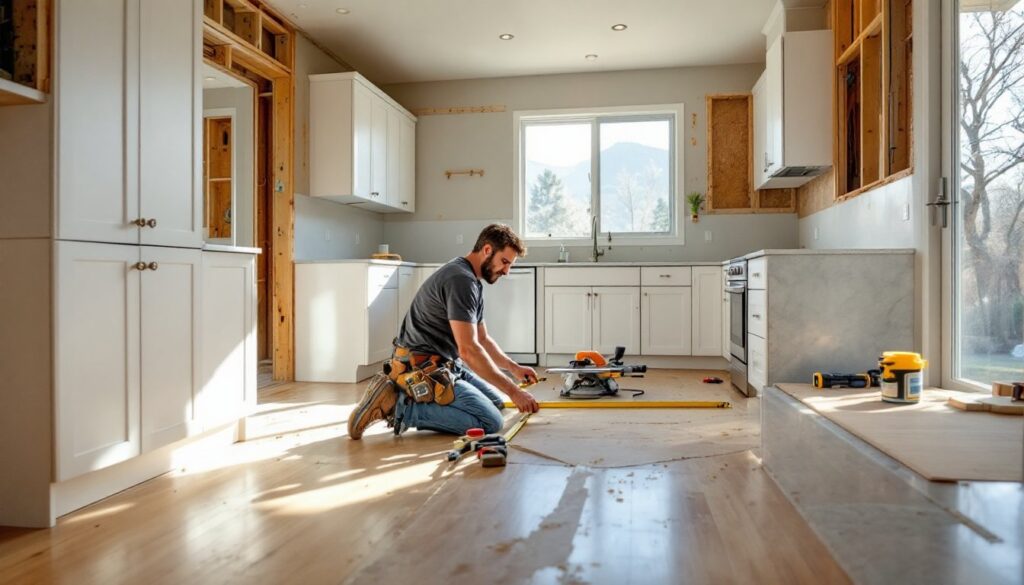

Denver’s housing market continues to see strong demand, but limited inventory has homeowners looking inward, improving what they’ve got rather than trading up. Between rising property values, the Mile High lifestyle, and the need to adapt homes built decades ago to modern standards, remodeling has become the go-to strategy. Whether it’s updating a 1960s ranch to handle work-from-home needs or weatherizing against those wild temperature swings, Denver homeowners are getting serious about strategic upgrades. This guide walks through what’s driving the remodel boom, which projects deliver the best return, and what you need to know before breaking ground in the Denver metro area.
Table of Contents
ToggleKey Takeaways
- Home remodeling in Denver has surged due to median home prices exceeding $600,000, making strategic upgrades more affordable than moving to a new home.
- Kitchen and bathroom renovations are the top projects in Denver, with mid-range kitchen remodels budgeted at $25,000–$75,000 and bathroom upgrades at $15,000–$40,000.
- Always pull permits for structural, electrical, plumbing, and HVAC work—unpermitted projects must be disclosed during resale and can result in costly corrections.
- Energy efficiency upgrades like Low-E windows and improved insulation can reduce utility bills by 20–30% and typically pay for themselves within 7–10 years in Denver’s climate.
- Material costs in the Denver metro run 10–15% higher than national averages; add a 15–20% contingency to your budget for surprises common in older homes.
- Book licensed contractors in late fall or winter for better availability and rates, and verify credentials through the Colorado Department of Regulatory Agencies (DORA).
Why Denver Homeowners Are Investing in Remodeling Projects
The Denver metro area saw median home prices climb above $600,000 in late 2025, making moving costs, realtor fees, closing costs, moving expenses, prohibitively expensive for many. Remodeling offers a way to recapture equity and customize space without the transaction overhead.
Another factor: Denver’s housing stock skews older. Many neighborhoods feature homes from the 1950s through 1980s with outdated electrical systems, insufficient insulation, and floor plans that don’t suit modern living. Homeowners are upgrading to meet current International Residential Code (IRC) standards, especially for electrical and HVAC work, and adapting layouts for open concepts, home offices, and multigenerational living.
Energy efficiency is a big motivator. Denver’s climate, hot summers, cold winters, intense UV exposure, puts real stress on building envelopes. Upgrading windows to Low-E double-pane units, adding attic insulation to R-49 or higher, and replacing aging HVAC systems can cut utility bills by 20–30%. Many homeowners using cost estimator platforms report that energy upgrades pay for themselves within 7–10 years.
Finally, there’s lifestyle. The pandemic shifted priorities. Home gyms, mudrooms for ski gear, and outdoor living spaces (decks, covered patios) are no longer luxuries, they’re necessities for Coloradans who spend weekends in the mountains and want functional, durable spaces that handle the gear and the mess.
Most Popular Home Remodeling Projects in Denver
Kitchen Renovations
Kitchen remodels remain the top project in Denver, driven by open-concept trends and the need to replace appliances and cabinetry from the ’80s and ’90s. Expect to budget $25,000–$75,000 for a mid-range renovation, though costs vary widely based on material choices and layout changes.
Key upgrades include:
- Replacing particle-board cabinets with plywood-box construction and soft-close hinges. Shaker-style doors in white, gray, or natural wood finishes dominate.
- Swapping laminate countertops for quartz (easier maintenance than granite, no sealing required). Budget $60–$100 per square foot installed.
- Installing a tile backsplash, subway tile (3×6 or 4×4) or larger-format porcelain. Use thin-set mortar and seal grout lines with a penetrating sealer.
- Upgrading to Energy Star appliances. Stainless or panel-ready finishes are standard.
- Adding recessed LED lighting (4-inch or 6-inch cans) on dimmer switches to supplement outdated ceiling fixtures. Work must meet NEC (National Electrical Code) standards: hire a licensed electrician for new circuits.
If you’re moving walls or plumbing, expect permit requirements from the city or county. Load-bearing walls require engineering approval. Don’t skip this, unpermitted work can kill a future sale.
Bathroom Upgrades
Bathroom remodels rank second, especially primary bath expansions and guest bath refreshes. Denver’s older homes often have one full bath and a half bath: families want two full baths minimum. Budget $15,000–$40,000 for a full remodel, depending on fixtures and tile quality.
Common projects:
- Replacing tub/shower combos with walk-in tile showers (curbless or low curb). Use a waterproof membrane (like Schluter Kerdi or RedGard) over cement board, then large-format porcelain tile (12×24 or larger) to minimize grout lines.
- Installing vanities with undermount sinks and quartz or solid-surface tops. Double vanities are the norm in primary baths.
- Upgrading to low-flow toilets (1.28 gallons per flush) and WaterSense-rated faucets, Denver water rates aren’t cheap, and the city offers rebates for qualifying fixtures.
- Adding heated floors (electric mat systems under tile) for those cold mornings. Thermostat installation requires a licensed electrician.
- Improving ventilation. Bathrooms need exhaust fans rated for the room’s cubic footage (CFM = room volume ÷ 7.5). Vent to the exterior, never into the attic.
Permits are required for plumbing and electrical work. Inspections ensure proper venting, GFCI protection, and water-resistant construction.
Basement Finishing
Basement finishing is huge in Denver, most homes have them, and they’re often unfinished or stuck in 1970s rec-room limbo. Finishing adds usable square footage without expanding the building footprint. Budget $30–$75 per square foot, depending on finishes and whether you’re adding a bathroom or kitchenette.
What’s involved:
- Framing walls with 2×4 studs (actual dimensions 1.5×3.5 inches) on 16-inch centers. Use pressure-treated bottom plates on concrete.
- Installing rigid foam insulation (XPS or EPS) against foundation walls, then framing in front. Meets code and prevents moisture issues.
- Running electrical and plumbing before drywall. Basement bedrooms need egress windows, minimum 5.7 square feet of opening, 24-inch height, 20-inch width, and sill no more than 44 inches above the floor. This often means cutting foundation walls and installing window wells, not a DIY job.
- Hanging and finishing 1/2-inch drywall. Tape seams with joint compound, sand smooth, prime, and paint.
- Laying luxury vinyl plank (LVP) or engineered hardwood over a vapor barrier and foam underlayment. Concrete slabs can wick moisture: don’t use solid hardwood or laminate without testing moisture levels (use a calcium chloride test or pin-type moisture meter).
Basement remodels almost always require permits, especially for bedrooms (egress windows), bathrooms (plumbing and venting), and electrical work. Homeowners researching project planning resources often find that budgeting for permits and inspections upfront avoids costly surprises.
What to Consider Before Starting Your Denver Remodel
Permits and inspections come first. Denver, Aurora, Lakewood, and surrounding municipalities all have different requirements. Structural changes, electrical work, plumbing, HVAC, and basement bedrooms almost always need permits. Pulling permits protects you legally and ensures code compliance. Unpermitted work must be disclosed when selling, and buyers can demand costly corrections.
Budget realistically. Material costs in the Denver metro run 10–15% higher than the national average due to freight and demand. Lumber, drywall, and concrete prices fluctuate. Add a 15–20% contingency for surprises, old homes often hide knob-and-tube wiring, undersized joists, or foundation issues.
Timeline matters. Contractors book out 4–8 weeks in spring and summer (peak season). If you’re DIYing, factor in material lead times. Custom cabinets can take 8–12 weeks: tile and fixtures may need ordering. Don’t start demolition until materials are on-site or at least confirmed.
Understand your home’s systems. Many Denver homes have 100-amp electrical panels, not enough for modern loads if you’re adding circuits. Upgrading to 200 amps costs $2,000–$3,500 but may be required for major remodels. Same with plumbing: older homes may have galvanized steel or polybutylene pipes that should be replaced with PEX or copper.
Material acclimation is critical in Denver’s dry climate. Hardwood flooring, engineered wood, and even drywall need to acclimate to your home’s humidity levels for 48–72 hours before installation. Skip this and you’ll get gaps, buckling, or cracks.
PPE and safety: Wear safety goggles, work gloves, and a dust mask (N95 or better) for demolition and cutting. Use hearing protection with power saws and demolition hammers. If you’re working with old paint (pre-1978 homes), assume lead-based paint, use lead-safe practices or hire a certified contractor.
HOA rules: If you’re in a community with a homeowners association, submit your plans for approval before starting exterior work (siding, roofing, windows, decks). Some HOAs regulate interior work that affects structure or appearance.
Finding the Right Remodeling Professionals in Denver
For projects beyond cosmetic updates, anything structural, electrical, plumbing, or HVAC, hire licensed professionals. Colorado requires contractors to be licensed for work over $500 in metro counties. Verify licenses through the Colorado Department of Regulatory Agencies (DORA).
Get multiple bids. Three is standard. Compare scope of work, materials specified, timeline, and payment terms. Avoid contractors who ask for large upfront payments (more than 10–20% as a deposit). Checking contractor reviews helps identify reliable professionals with proven track records in the Denver area.
Ask for references and visit completed projects if possible. Check for clean work, attention to detail, and whether the homeowner had a good experience.
Contracts should include:
- Detailed scope of work (materials, brands, colors, dimensions)
- Timeline with milestones
- Payment schedule tied to completion phases
- Permit responsibility (who pulls and pays)
- Change order process
- Warranty terms (typically 1 year for workmanship)
Insurance matters. Verify the contractor carries general liability insurance and workers’ compensation. If a worker gets hurt on your property and the contractor isn’t insured, you could be liable.
Specialized trades: For electrical, plumbing, and HVAC, use licensed specialists rather than general handymen. Colorado law requires licensed electricians for anything beyond replacing fixtures, licensed plumbers for supply and drain work, and licensed HVAC contractors for system installation and major repairs.
DIY vs. pro: Cosmetic work, painting, installing trim, laying flooring, tiling, can be DIY if you’ve got the tools and patience. Structural, electrical, plumbing, and gas work should be left to pros. Not only is it safer, but inspectors will flag amateur work, and fixing it costs more than hiring a pro upfront.
Timing: Book contractors in late fall or winter if possible. Demand drops, and you may get better rates and faster scheduling. Spring and summer are slammed.
Denver’s remodeling market is competitive but navigable. Whether you’re updating a vintage Wash Park bungalow or finishing a basement in Highlands Ranch, careful planning, realistic budgets, and the right mix of DIY and professional help will get you across the finish line.