
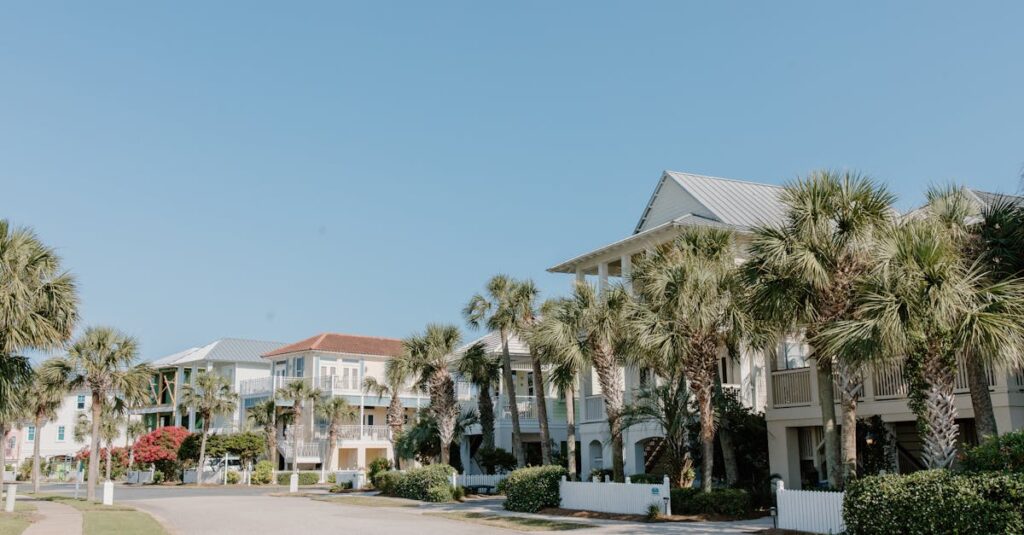

Navigating the world of property tax in Florida can feel like trying to find a gator in a swamp—confusing and a little scary. With beautiful beaches and sunny skies, it’s easy to get lost in the allure of the Sunshine State. But when tax season rolls around, reality hits harder than a summer thunderstorm.
Table of Contents
ToggleOverview Of Property Tax In Florida
Property tax represents a critical revenue source for local governments in Florida. Tax assessments determine how much property owners owe based on their property’s value. The assessment process occurs annually, with properties appraised by county property appraisers.
Florida’s average effective property tax rate stands at 0.83%, lower than the national average of 1.07%. Each county sets its own millage rates, influencing the final tax bill. Various exemptions can affect property taxes, including the Homestead Exemption, which provides substantial savings for eligible homeowners.
Property owners may also take advantage of the Save Our Homes cap. This cap limits annual increases in assessed value for properties with a Homestead Exemption to 3% or the rate of inflation, whichever is lower. Such caps benefit long-term homeowners by keeping tax increases manageable.
Fiscal year 2021-2022 highlighted disparities in tax bills across Florida. For instance, a property assessed at $300,000 could incur taxes ranging from $2,500 to $3,500, depending on county rates. Additionally, non-homestead properties, such as rental or commercial properties, do not qualify for the same exemptions or caps.
Understanding the nuances of property tax in Florida proves essential for both current and prospective homeowners. Navigating the complexities requires awareness of exemptions, rates, and property values to ensure tax responsibilities remain clear and manageable. Familiarity with local tax statutes can empower property owners to make informed decisions regarding their homes and investments.
Property Tax Rates In Florida
Property tax rates in Florida vary significantly across counties. Local governments establish these rates based on specific needs and budgets.
Factors Influencing Tax Rates
Multiple elements affect property tax rates in Florida. Local budgets require funding from property taxes, which drives the setting of millage rates. Property assessments also play a vital role, as they determine the taxable value of each property. County-specific needs, such as education, infrastructure, and emergency services, influence funding levels. Additionally, exemptions like the Homestead Exemption can lower effective tax rates for qualified homeowners. Individual circumstances, such as the property owner’s status, contribute to overall tax liability.
Comparison With Other States
When comparing property tax rates, Florida’s average effective rate stands at 0.83%. This figure remains lower than the national average of 1.07%. While California imposes a 1.08% average rate, New York’s averages around 1.61%. Both states exhibit higher property tax burdens than Florida, which can benefit homeowners in this state. Varying levies across states reflect different funding priorities and property values. Understanding these differences aids in assessing the Florida tax landscape relative to other regions.
Exemptions And Deductions
Property tax exemptions can significantly lower tax bills for eligible homeowners in Florida.
Homestead Exemption
The Homestead Exemption provides substantial savings for primary residences. Homeowners can reduce the assessed value of their property by up to $50,000. This exemption applies to properties with a value of $75,000 or more, offering a tax break that helps local homeowners. Long-term residents benefit further from the Save Our Homes cap, which limits annual assessment increases to 3%. Such measures ensure stability and affordability, making it easier for families to maintain their homes amidst rising property values.
Additional Exemptions
Florida offers various additional exemptions beyond the Homestead Exemption. For example, the Senior Exemption provides further reductions for residents aged 65 and older, subject to income limitations. Veterans with service-connected disabilities can access the Disabled Veteran Exemption, which allows them to fully or partially exempt their property. Other exemptions include those for surviving spouses of military personnel and first responders. Each exemption varies by county, so homeowners should check local regulations for eligibility and application procedures.
Property Tax Assessment Process
The property tax assessment process in Florida involves determining property values to ensure accurate tax calculations. Various factors contribute to assessments, including property characteristics, location, and recent sales data.
How Assessments Are Conducted
Assessments occur annually and are primarily the responsibility of county property appraisers. Each county employs specific methodologies to determine property values. They often analyze comparable sales, recent transactions, and improvements made to existing properties. Such evaluations provide a fair market value that forms the basis for the property tax. Generally, property owners receive a notice of proposed taxes, allowing them to review the assessed value and expected tax bill.
Appeal Process For Assessments
If property owners disagree with their assessed value, Florida law provides an appeal process. Initially, they must contact the county property appraiser to discuss concerns. Should there be no resolution, property owners can file a formal appeal with the Value Adjustment Board (VAB). This process includes a hearing where evidence supporting the appeal can be presented. Timelines are crucial; typically, appeals must be filed within 25 days of receiving the assessment notice. Having documentation and market data can significantly strengthen an appeal.
Impact Of Property Tax On Residents
Property taxes in Florida directly influence residents’ financial stability and local community services. Understanding these aspects proves essential for homeowners.
Financial Implications
Property taxes affect homeowners’ monthly budgets. With an average effective rate of 0.83%, Florida residents typically pay less than in many other states, such as California and New York. Budgeting for property taxes becomes easier with available exemptions, particularly the Homestead Exemption, which can reduce assessed values significantly. Stability in property assessments, capped at 3% annually for qualifying homeowners under the Save Our Homes cap, ensures predictable tax bills. Homeowners who take advantage of exemptions can experience substantial savings, making long-term budgeting more manageable.
Community Services Funded By Property Taxes
Local governments rely heavily on property taxes to fund essential services. Education, emergency services, and infrastructure projects typically receive the most financial support. Each county determines its budget based on specific community needs, thus variations in tax rates appear across Florida. Schools and public safety departments benefit directly from these funds, enhancing overall community well-being. Public buildings and roads also receive funding, ensuring residents have access to necessary services. Residents experience the positive impact of property taxes in their daily lives, whether through improved schools or accessible emergency services.
Conclusion
Navigating property tax in Florida can feel overwhelming but understanding its nuances is essential for homeowners. With a relatively low effective tax rate and various exemptions available, residents have opportunities to manage their tax burden effectively. Local governments depend on these taxes to provide vital services that enhance community life. By staying informed about local regulations and potential exemptions, homeowners can make strategic decisions that benefit their financial stability and overall quality of life. Embracing knowledge about property taxes empowers Floridians to thrive in their vibrant communities.